|
Timeline |
Area of Focus |
Intentional Action |
Key Preparation Tasks |
|---|---|---|---|
|
5 Months Out |
Home |
Deep cleaning & making space |
Decluttering key areas and sourcing essential baby furniture. |
|
4 Months Out |
Clothes |
Thrifting & Sewing |
Planning a nursing wardrobe and sewing high-efficiency combinations. |
|
3 Months Out |
Body |
Pampering & Preparing |
Yoga/swimming, home remedies (Yoni steams), and hygiene kits. |
|
2 Months Out |
Food Prep |
Regeneration |
Batch cooking, freezing meals, and stocking a supportive pantry. |
|
1 Month Out |
Organizing Help |
Guarding the Nest |
Booking a Doula/cleaning help and planning visits/grocery delivery. |
The MABEL MAMA Postpartum Master Plan
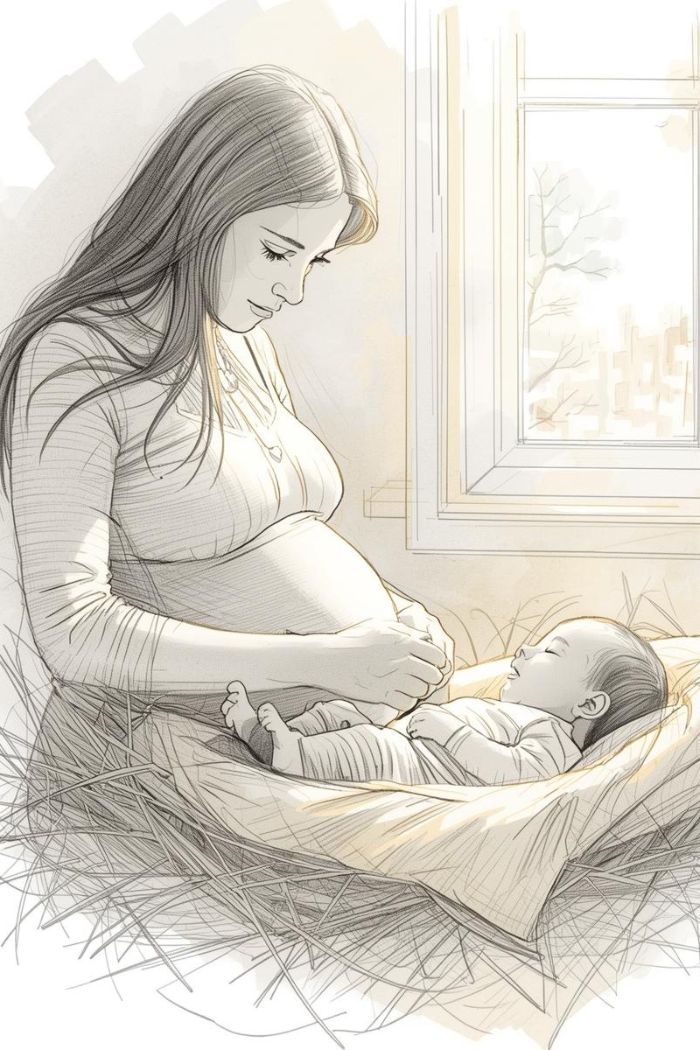
At the time of writing this, I’m 25 weeks pregnant, and the nesting instinct is starting to kick in. I have the sudden urge to deep-clean every corner, rearrange the furniture, and start stocking up.
In my last pregnancy, this instinct manifested as a conviction that we needed to move house. In hindsight, that was a mistake. It was incredibly straining, and I ended up with a newborn in one arm and endless boxes to unpack with the other. The timing was simply wrong.
This time, I’m more cautious. I recognize the urge for what it is, but I’m doing it differently. I am still indulging in the preparation, but I’m focusing on strategic preparation. I’m leaning into the "madness" of nesting by understanding the science behind it:
The Science Behind the Surge
According to research from McMaster University, that sudden urge to organize your fabric stash isn't just a whim—it’s an evolutionary instinct called "Space Preparation." It is driven by a unique hormonal cocktail that peaks as we enter the third trimester:
Oxytocin (The Bonding Hormone): Concentrations can reach up to 100 times higher than normal. Beyond labor, it drives our "protective instincts" and the desire to create a secure, literal nest.
The Dopamine Loop: Completing small organizational tasks—like sorting baby socks or finishing a sewing project—triggers dopamine. This provides a sense of accomplishment that acts as a natural stress buffer against birth anxiety.
The Estrogen Surge: A peak in estrogen (around weeks 36–38) often provides that "last burst" of physical stamina before the fatigue of late-term pregnancy sets in.
Nesting as Mental Health Care
It turns out that nesting has profound benefits for our postpartum well-being. A study cited by the Cleveland Clinic suggests that nesting acts as a psychological coping mechanism for the unpredictability of birth:
Restoring Agency: You can’t control exactly when the baby arrives, but you can control the order of your home. This restores a vital sense of power and agency.
Reducing Anxiety: Data indicates that engaged, productive nesting can lower the risk of postpartum depression by as much as 37%, helping mothers feel mentally "ahead of the curve."
Leaning In with a System
So, I’m indulging. I’m making it a priority, but I’m doing it with a system. I sat down and mapped out a plan designed to reap these biological benefits without the burnout I experienced last time.
My method is simple:
Identify the Areas that truly need action.
Map a Timeline that respects my energy levels as the weeks progress
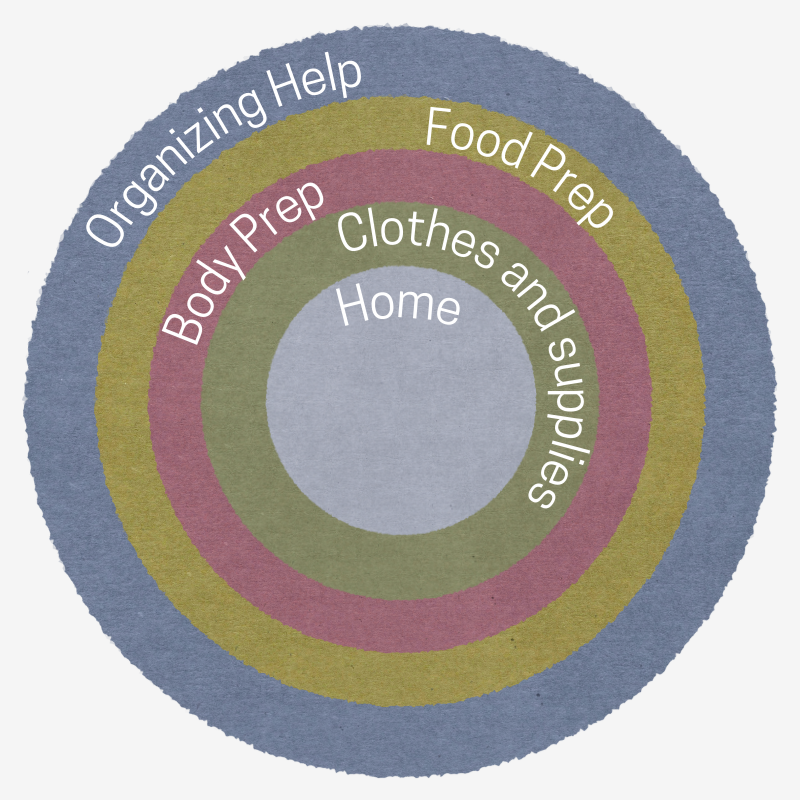
Don't just read the plan—start it. I made a free 1-Page Postpartum Worksheet that follows this Method.
I’ll be documenting this process here on the blog, taking you along week-by-week as I dive into each Area to share what I've found essential.
I don't claim to be an expert; I am a mother in the middle of an experiment. After my postpartum period, I’ll revisit this plan to share the 'tops and flops'—because real life rarely follows a perfect table.
Are you in your own nesting phase or preparing to support someone who is?
To make sure you don't miss the deep dives into each category subscribe to the newsletter.
🙂
Thank you for subscribing!
Have a great day!
